


November 21, 2025
At some point, I began collecting old photographs. It started with glass-plate negatives, and eventually expanded to wedding photographs and identification photos of nameless people from the early twentieth century through around the 1970s. The other day, I purchased a lot of nearly a thousand slides from what appeared to be an entirely ordinary American family. From time to time, I visit antique shops in Brooklyn and pick up these kinds of unremarkable photographs. With very few exceptions, I have little interest in people who are called photographers. I do occasionally go to see their work, but what I actually examine is the quality of their prints, or the methods they use to mount their work in frames. I am rarely interested in the photographs themselves. In contrast, I am deeply drawn to wedding photographs likely taken in small, unknown American towns, or to rather unremarkable landscape photographs that were probably made in their subjects’ countries of origin before they immigrated to the United States. I could not clearly explain, even to myself, why I felt such a strong attraction to these anonymous photographs.
One of the primary reasons these photographs fascinate me is that although the motivation for taking them can be understood to some degree, when they are looked at again later, they are not particularly beautiful. Of course, this may be because they are amateur photographs rather than works made by professional photographers—but that alone does not fully explain it. There is something else present. Perhaps these photographs conceal something that conventional photographic criticism has never addressed. I know almost nothing about photographic theory, but most critics seem eager to speak at length about so-called masters or about new talents emerging every day. Rarely have I encountered anyone who speaks about piles of unattractive photographs taken by unknown individuals. I am aware of the movement that sheds light on such images under the label of “vernacular photography,” and I own Geoffrey Batchen’s books, yet for some reason they have remained unread on my shelf for nearly a decade. If those writings have already resolved my questions, then I should apologize here for my ignorance.
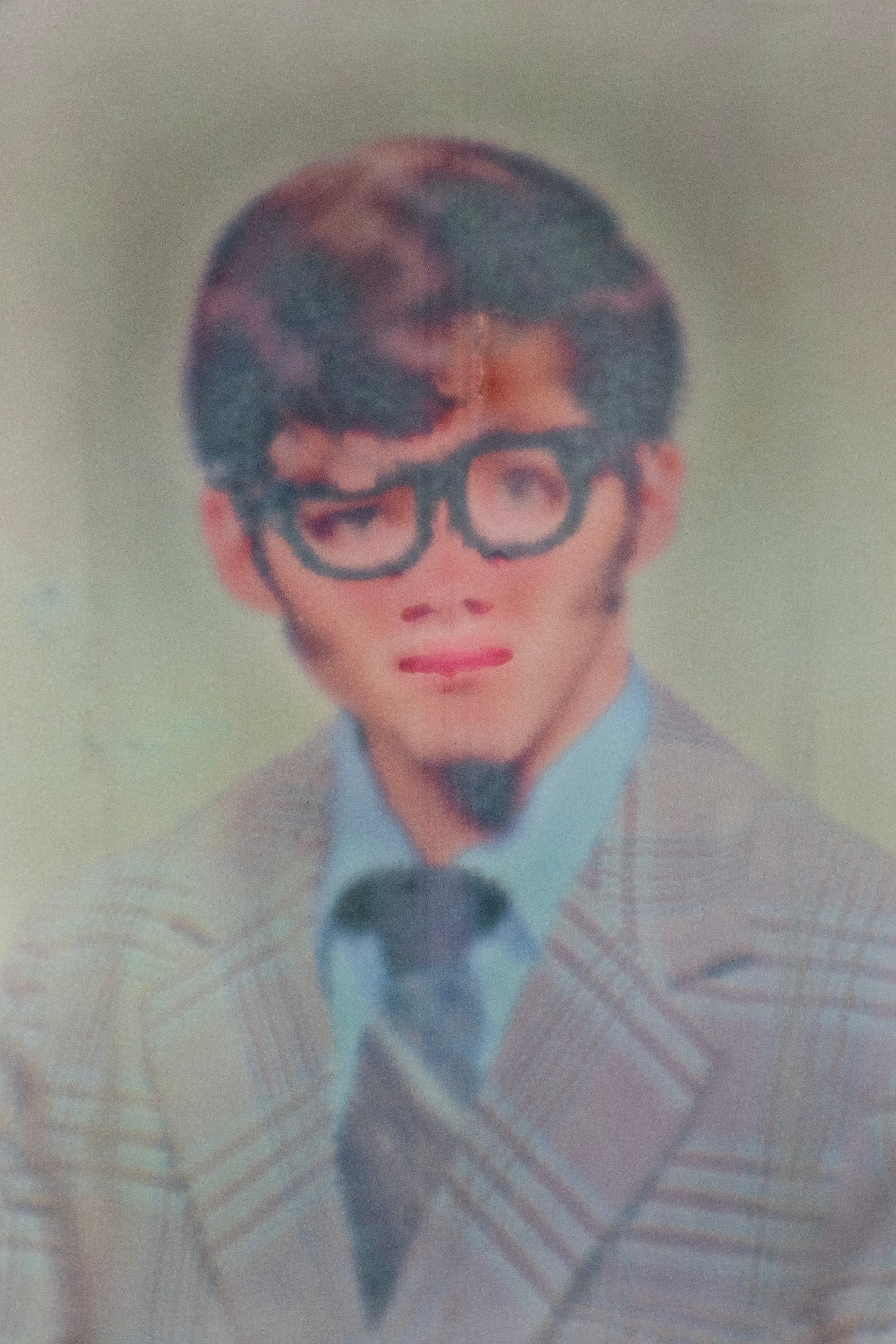
Why do people continue to take photographs that hold little meaning when revisited later? That was my question. Is this simply a problem of technique, or does the “function” of these photographs differ fundamentally? And if so, what exactly is that function? I felt vaguely that this could not be resolved through conventional discussions of photographers themselves, and that a cultural or anthropological approach might be more appropriate. Still, as I looked at these piles of casually taken and casually discarded photographs, I did not yet have a clear idea of how to understand them.
Earlier today, while researching the history of film development, I came across a passage that struck me. It described how slides were projected onto specially set-up screens or walls during family gatherings, and how people would sit together and watch them. This scene is an utterly ordinary image of family life, yet precisely because of its ordinariness, it carries deep symbolic meaning. Even before the existence of photography—and going further back, before the existence of writing—such moments of communal gathering must have existed. People gathered under clear winter skies, keeping warm as they spoke; or in jungle camps, after long days of tracking prey, they gathered around fires and told stories. These stories were likely creation myths: why we are here now, why the world exists, and how our heroic ancestors expanded that world. The individual episodes of creation myths are often absurd and internally inconsistent, yet when arranged in a mosaic, they construct our “world” and are symbolically passed down. Perhaps the slides projected in these American households should be understood as incomplete fragments of such creation myths. The voices of sirens that once tempted sailors are revived within the domestic happiness of American family gatherings. By looking at slides, what is produced is a family history, an adventure, and a myth of origins explaining why they are there. Sometimes humorously, with someone imitating another’s voice, the story unfolds. Why do we exist here? What did we gain from our adventures? Does the world have an end? Is that world beautiful? The images recorded on these slides do not possess aesthetic value; they function instead as symbolic triggers that prompt the telling of myth. Each insignificant slide, like the clever and mischievous rabbit that appears in myths, flips the story back and forth, provoking laughter from those who watch. The story itself is not what matters. What matters in myth is the collective sharing of a narrative that appears, on the surface, to be incoherent.
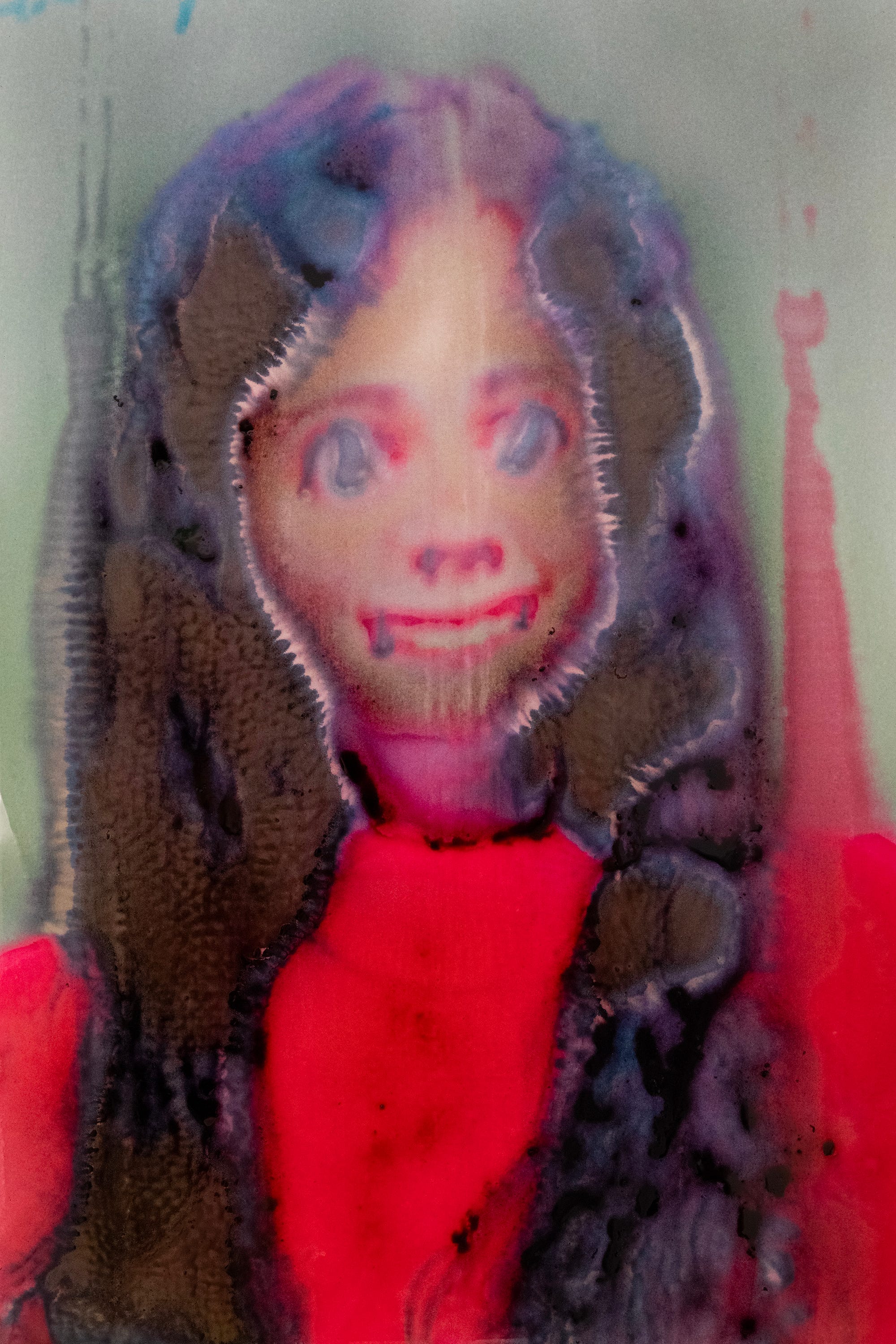
Yet these family myths seem, in the end, not to have held much importance.
The nearly one thousand slides I purchased signify that these myths had already lost their function within those families, along with their symbolic value. The massive stone money of Yap Island is now nothing more than a round stone with a hole in it. Postmodern thought condemned history as “History” with a capital H, literally dismantling the grand mythological systems of communities. What remained were the fragments of our trivial stories—stories that were once organically connected.
漂流
2025年11月21日
いつの頃からか、古い写真を買い集めるようになった。最初はガラス乾板のネガから始まり、そこから20世紀初頭から1970年代前後くらいまでの、名前もわからない人たちの結婚式の写真や、身分証明の写真などを集めた。先日はアメリカのごく平凡な家庭のスライドを1000枚単位で売っていたものを買った。時々ブルックリンの古物屋に行って、こう言ったごく平凡な写真を買ってくる事もある。私はごく一部の例外を除いて写真家と呼ばれる人たちに殆ど興味もなく、彼らの作品を見にいく事もあるが、実際確認しているのは彼らがどのようなクオリティのプリントを作っているか、どのような手法で額にマウントしているのか、などであり、彼らの写真そのものに興味を持つ事は殆どない。その一方で、名前も知らないアメリカの小さな街でで撮影されたであろう結婚式の写真や、彼らがアメリカにやってくる前に、彼らの祖国で撮られたであろう、さして美しくもない風景写真などに強く惹かれるのだ。私は、自分でなぜこのような匿名の写真に強く惹かれるのかが自分でもうまく説明ができなかった。
何よりもこれらの写真に私が興味を持つ理由の一つは、その写真が撮られた動機はある程度理解できても、それらの写真が後から見直したときにはそれほど美しくもない、という点にある。当然それはプロの写真家が撮ったものではない、素人の写真だから、という理由もあるのだろうけれども、それだけでは理由が説明できない、何かがあった。おそらくこれらの写真には、一般的な写真の批評家が語らなかった、何かが潜んでいる。私は写真批評については殆ど何も知らないが、彼らの大半は巨匠と呼ばれる写真家や、日々新しく生まれてくる才能については饒舌に語ろうとするが、このような誰が撮ったかもわからない、美しくもない写真の束について語っている人をあまり見かけたことがない。そういう写真を「ヴァナキュラーな写真」として光を当てる、という潮流があるのを知ってはいるし、ジェフリー・バッチェンの著作を持ってはいるが、なぜかそれは私の本棚で10年近く眠ったままだ。もし彼らがすでに私の疑問を解決しているのであれば、今ここで私の不勉強を謝罪しておこうと思う。
なぜ人は後から見返しても大して意味のない写真を撮り続けるのかーこれが私の疑問だった。それは単純に技術の問題から発生しているのか、それとも、これらの持つ写真の「機能」が根本的に異なるのか、もしそうであるならそれはどのような機能なのか。これはいわゆる「写真家論」では解決できず、むしろ文化人類学的なアプローチが必要なのではいか、とぼんやりと考えていた。ただ、これらの無造作に撮られ、そして無造作に捨てられた写真の山を見て、それをどう理解するべきか、というのは自分でもはっきりとしたアイデアを持っていなかった。
先ほど、フィルムの開発の歴史を調べていて、とあることが書かれており、私はその言葉にはっとした。そこには撮影されたスライドが、家族の集いや団欒の時に、特別に設置されたスクリーンや壁に映し出され、皆でそれを眺めていた、と書かれていた。この光景は、ごく当たり前の家族の光景であるが、それがごく当たり前であるが故に深い象徴性を持つ。写真というメディアが無い時代、さらに遡ると文字がない時代にも、このような家庭団欒の時間は存在していたはずだ。厳冬期の澄んだ夜の下に人たちが集まって、暖をとりながら語ったものーまたは、密林のキャンプで、獲物を追い続けた1日の後、火を囲んで語ったものーそれは恐らく創世神話、つまり私たちがなぜ今ここにいて、なぜ世界は存在するのか、私たちの英雄である祖先はどのようにこの世界を拡張したのかーではなかっただろうか。創世神話の数々のエピソードは、そのほとんどが物語的には馬鹿馬鹿しく、破綻しているが、それがモザイク状に配置されることで、私たちの「世界」は構築され、象徴的に伝承されてゆく。もしかすると、これらのアメリカのそれぞれの家庭で映し出されていたスライドは、この創世神話の一つ一つの、未完の物語として理解されるべきではないだろうか。船乗りを誘惑したセイレーンの声が、アメリカの幸せな家庭の団欒に蘇る。スライドを眺めることで、そこで生み出されるのは家族の歴史であり、冒険であり、そしてなぜ彼らがそこにいるのか、という起源の神話だろう。時には面白おかしく、誰かの声色を真似ながら、物語は進んでいく。なぜ私たちはここに存在するのか。私たちの冒険で得たものはなんだったのか。世界に終わりはあるのか。その世界は美しいのか。これらのスライドに記録されたイメージは、美的な価値を持つものではなく、神話の語りを誘発するための象徴的なトリガーなのだ。一枚一枚の、取るに足らないスライドは、神話の中に登場する、ずるくて賢いうさぎのように、物語を右に左に反転させ、見るものの笑いを誘う。物語が重要なのではない。神話において重要なのは、一見破綻した物語を、皆で共有するのことなのだ。
ただ、これらの家族の神話は、結果としてそれほど大きな重要性を持たなかったようだ。
私が購入した1000枚近いスライドは、これらの神話がすでにその家庭では既にその機能を失い、その象徴的な価値を失ったことを意味している。ヤップ島の巨大な石の貨幣は、今となってはただの穴が空いた丸い石でしかない。ポストモダンの思想は、歴史を「大文字の歴史」として糾弾し、共同体の巨大な神話体系を文字通り破壊してしまったが、そこに残ったのは、かつて有機的に繋がっていた、私たちの取るに足らない物語の残骸だった。